

Two Months of Flea Protection in a Single OTC Dose
How Advantage XD Works
 Extended Duration Flea Control
One application with Advantage XD provides 8 weeks of treatment and
prevention. Outlasts the typical 6-week flea lifecycle. No Prescription Required
Available over the counter at major retailers making flea protection simple. Just apply 1 time every other month for continuous protection.
 Simple Ingredients
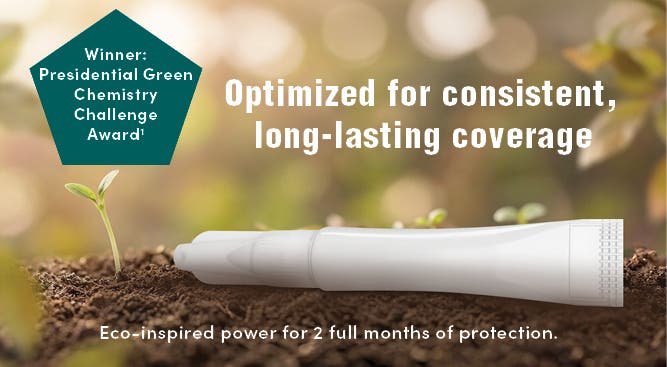
Advantage XD is formulated with the active ingredient, Spinetoram, a winner of the Green Chemistry Award.1
 Kills Fleas on Your Pet
Advantage XD works to kill fleas on your pet for two months after application. Perfect for indoor and outdoor pets alike.
Advantage XD Long-Lasting Flea Protection for Cats and Dogs
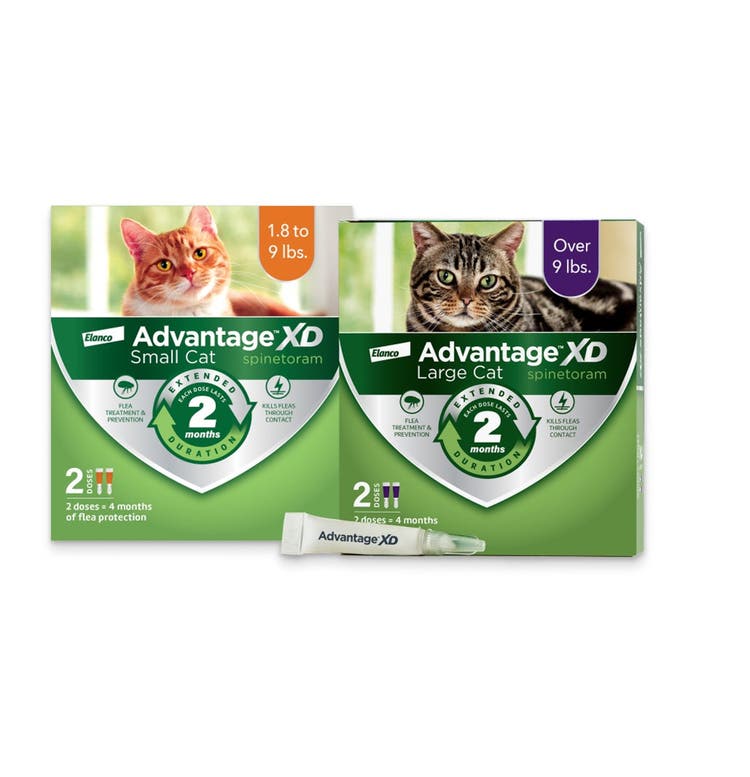
Advantage XD for Cats (Small & Large Sizes)
- For Cats
- Cat Sizes
- Small (1.8 – 9 lbs.)
- Large (over 9 lbs.)
- Package Quantities
- 1ct (2 months)
- 2ct (4 months)
- 4ct (8 months)
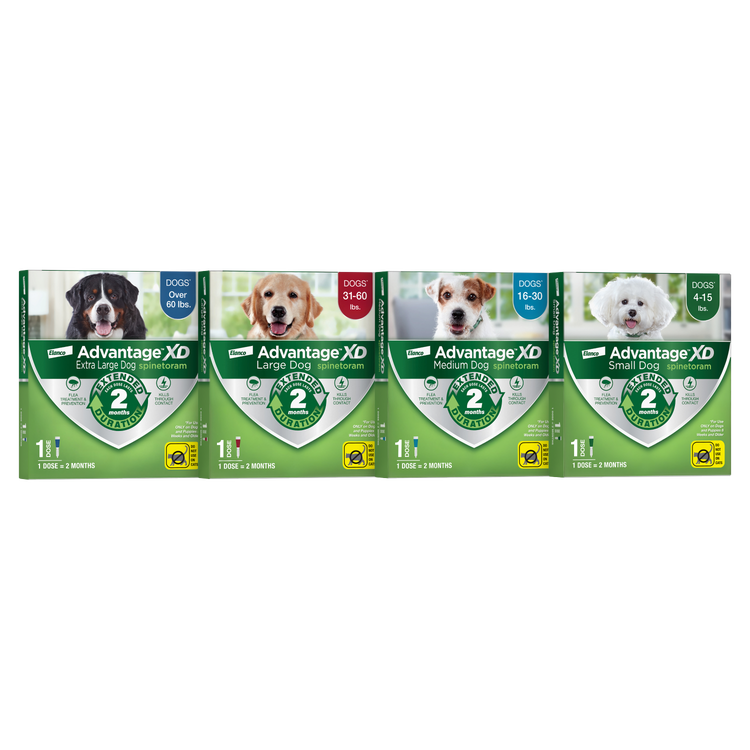
Advantage XD for Dogs (Small to Extra Large Sizes)
- For Dogs and Puppies at Least 8 Weeks of Age
- Dog sizes
- Small (4 – 15 lbs.)
- Medium (16 – 30 lbs.)
- Large (31 – 60 lbs.)
- Extra Large (Over 60 lbs.)
- Package Quantities
- 1ct (2 months)
Spinetoram: The Award-Winning Science of Advantage XD
Advantage XD leverages the sophisticated science of its active ingredient, spinetoram, to deliver a new standard in long-lasting, responsible flea protection for both dogs and cats. Recognized with the prestigious Presidential Green Chemistry Challenge Award1, this innovative active ingredient is derived from naturally2 occurring soil microbes through a sustainable fermentation process. By bridging the gap between eco-inspired origins and veterinary-grade performance, Advantage XD provides a low-impact solution that remains highly effective for two full months. It is the premier choice for pet owners seeking sustainable flea prevention that doesn't compromise on efficacy, ensuring your pets stay protected through the latest advancements in green chemistry.
Protect your dog, house and yard with the Advantage® Family
Fleas aren’t just trying to take a bite out of your canine companion—they could also be hiding out in your home and yard, along with other pests. That’s why the Advantage® Family offers a full line of topicals, shampoos and sprays to help you show these bloodsuckers who’s boss.
Frequently Asked Questions About Advantage XD
1. US EPA Presidential Green Chemistry Challenge. Designing Greener Chemicals Award. 2008.
2. Galm Ute, et al. Journal of Industrial Microbiology & Biotechnology. 2016;43:185-193
